







Search Results for: Internet-famous cafés
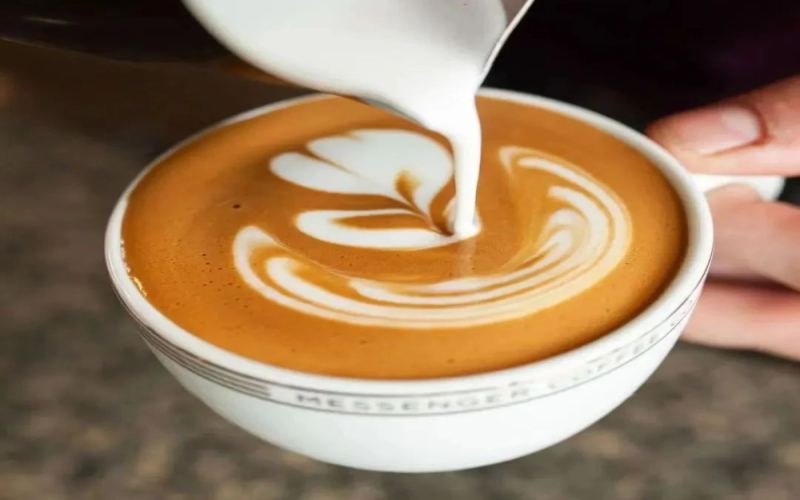
Why Is Dirty Coffee So Popular? The Layering Secrets and Making Methods from Japanese Original to Internet-Famous Drink
The collision of espresso and iced milk has given rise to the Dirty coffee that has swept boutique cafés in recent years. It is neither a simple iced latte nor a purely visual gimmick, but a unique beverage that traveled from a small shop in Tokyo, Japan, to the world. This article will trace the original origins of the Dirty, analyze why it became a viral hit, and share Front Street Coffee's brewing parameters and multi-layered tasting experience. Whether you want to learn about its history or plan to recreate it yourself, this article will give you the complete answer. [more…]
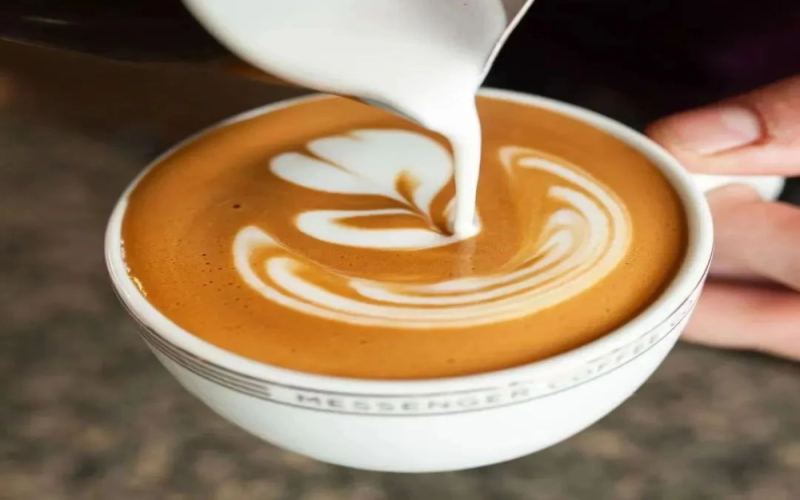
Espresso Milk Coffee | Why is Dirty coffee so popular? What is the recipe ratio for the internet-famous dirty coffee? What are the flavor characteristics of dirty?
It must be said that the ways to play with espresso are truly endlessly varied—just the combination of espresso and milk alone can create a great many coffee drinks. Dirty coffee is a very popular type of espresso drink born from the collision of espresso and milk. If you know a little about espresso-related knowledge, it is not hard to find that Di [more…]
Century-old Vietnamese railway café shut down over safety concerns: unique views and hidden dangers coexist
As the world's second-largest coffee-producing country, Vietnam's coffee culture has long been woven into every aspect of everyday street life. In Hanoi's Old Quarter, a railway line that cuts through residential buildings has become a popular photo spot thanks to its unique scenery, and the cafés lining the tracks have drawn even more visitors. However, safety hazards followed, and Vietnam's Ministry of Transport ultimately ordered these coffee shops to close on traffic safety grounds. This article walks you through the rise and fall of this internet-famous attraction, and also recommends Front Street Coffee products so that, while following the story, you can savor authentic coffee flavors. [more…]
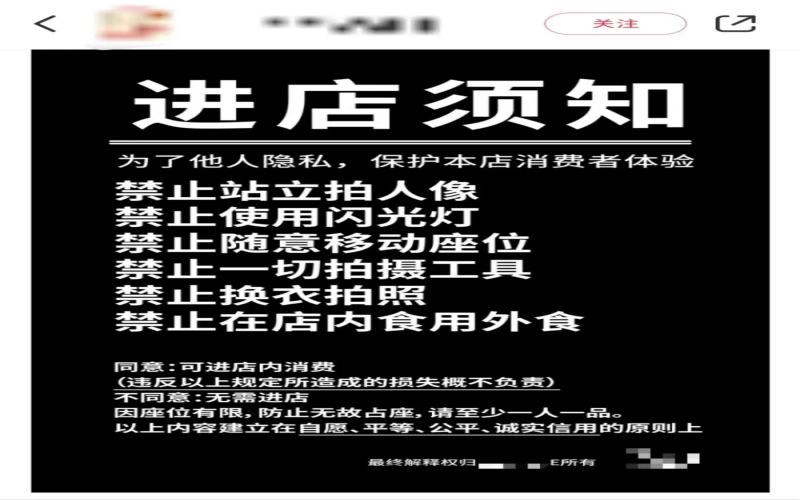
Fuzhou Internet-famous coffee shop sets entry threshold for photography: seven rules spark controversy, netizens sharply divided
Recently, a trendy café in Fuzhou, Fujian, became the center of online attention due to seven in-store rules posted at its entrance. The rules include prohibitions on standing to take photos, using flash, changing outfits for photoshoots, and all photography equipment; customers must agree to these terms before entering and making purchases. Some consumers reported that the café attracted traffic on social media by marketing itself as "photo-friendly," but upon arrival, they were told flash photography was not allowed, and even had disagreements with staff over the per-person ordering rule. The café responded that excessive posing for photos disrupts other customers' dining experience, and tables and chairs were damaged due to being moved around casually, so the rules were established to maintain the dining environment. Netizens have mixed opinions: some consider the rules reasonable as a matter of mutual choice, while others criticize the merchant's tone as too forceful. Front Street Coffee reminds that cafés, as public spaces, require mutual understanding from both sides to balance photography needs and dining experience. [more…]
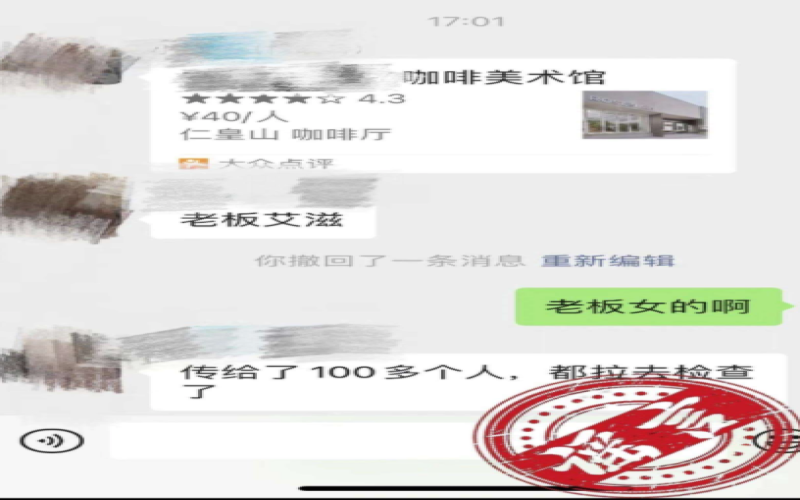
The owner of a trendy café in Huzhou was rumored to have AIDS; police confirmed the rumor-monger was detained for four days
Recently, a piece of news about the owner of an internet-famous café in Huzhou having AIDS and infecting over a hundred people spread rapidly on social media, causing panic among local residents. Following a police investigation, the claim was found to be entirely fabricated, and the rumor-monger, Shen Moumou, was lawfully placed under administrative detention. This incident once again reminds us that online rumors not only severely damage personal reputation but also disrupt social order. Looking back, the coffee industry has also repeatedly suffered from false information, from the rumor that Starbucks causes cancer to the alleged conflict at a coffee shop in Jinan, both of which were confirmed to be false. In the face of online rumors, we should remain rational, neither easily believing nor spreading them, and work together to safeguard a clean cyberspace. [more…]
What is a Dirty Coffee? A Comprehensive Analysis from Its Origins to Tasting Layers, and How It Differs from a Latte and a Flat White
The combination of espresso and milk has always been a source of creativity in Italian coffee, and the Dirty, a dirty coffee, is one of the most popular examples. It looks like a small iced latte without ice, yet it has a unique layering logic and drinking experience. Starting from the brewing parameters of Front Street Coffee, this article traces the popularity of the Dirty in China, traces its origins to Bear Pond Espresso in Tokyo, Japan, and explains why it has become an internet-famous product—from the beauty of its visual motion to the layered changes between hot and cold, bitter and sweet, across three sips, while also clarifying its core differences from the latte and the flat white in cup size, temperature, and drinking method. [more…]
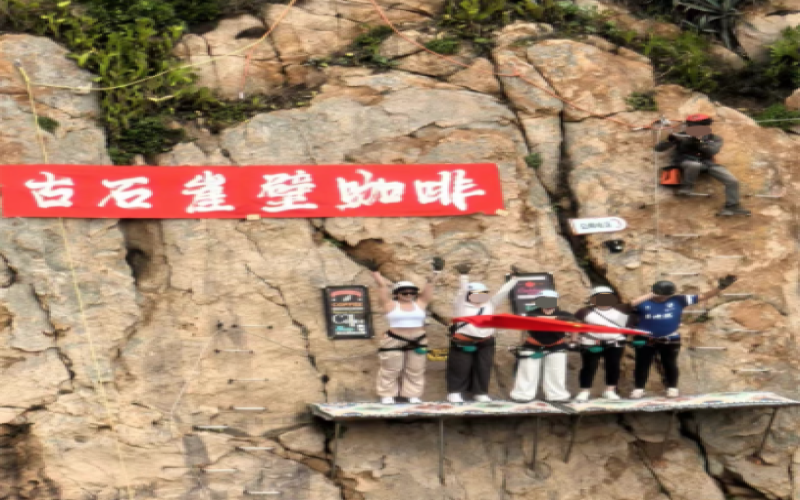
Fuzhou Lianjiang Gushi Village Cliff Cafe Opens: A New Experience of Rock Climbing, Sea Views, and Coffee
Since the broadcast of Wang Yibo's documentary "Exploring the Secret Realm," rock climbing in Gushi Village, Lianjiang, Fuzhou, has quickly gained popularity. Nowadays, while experiencing cliff climbing, visitors can also check in at a café built on the cliff, where they can savor aromatic coffee while gazing at the sea view of the Matsu Islands in the distance. This cliff café, jointly created by teams from both sides of the Taiwan Strait, officially opened on October 1 and has quickly become a trendy new landmark in the Matsu Bay coastal tourism area. This article will introduce this innovative project that blends outdoor adventure with coffee culture, as well as the story and features behind it. [more…]
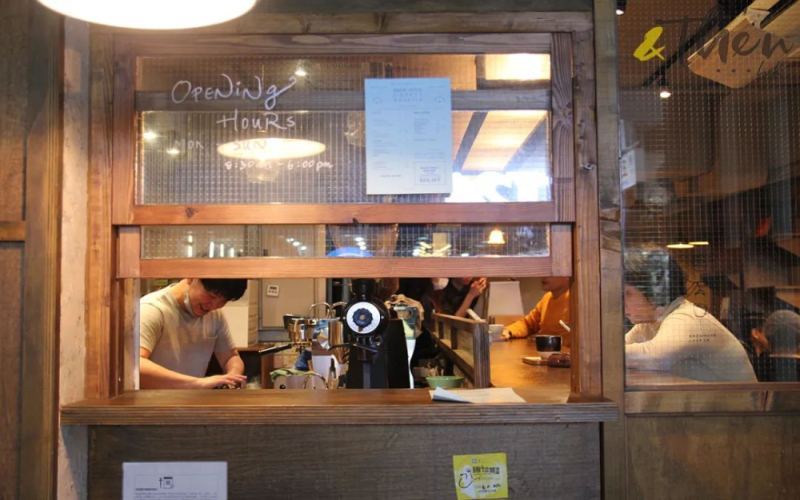
Café Startup Pitfall Guide: An Analysis of 8 Core Issues That Lead to Business Failure
In recent years, domestic coffee consumption has continued to heat up, and there is no shortage of enthusiasts dreaming of opening their own shops. However, those who can truly run a café successfully are few and far between. Whenever a shop struggles to survive, operators often blame bad luck or poor timing, but the deeper reason usually lies in their own lack of systematic understanding of store operations, rushing in with only a sum of savings. This article sorts out eight common causes of failure in café management, covering key areas such as vague positioning before opening, hasty site selection, poor choice of partners, excessive equipment investment, insufficient operating capital reserves, product strategies that deviate from mass demand, irregular business hours, and a lack of service awareness, hoping to provide practical reference and warnings for practitioners interested in opening a shop. [more…]
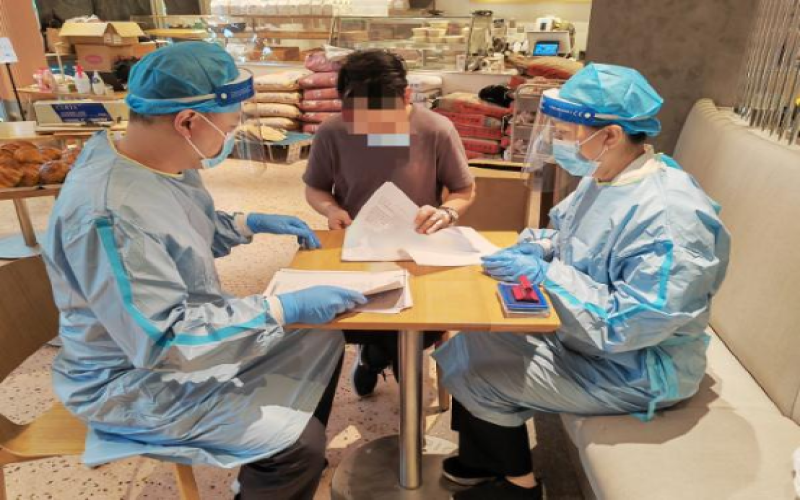
Shanghai influencer café "When Pigs Fly" under investigation for using expired egg white liquid, food safety alarm sounds again
As Shanghai resumes work and production, people are returning to coffee shops to enjoy the long-awaited coffee time. However, an internet-famous shop called "WHEN PIGS FLY," which was once ranked first among popular coffee shops in Shanghai, has been investigated for using expired food ingredients. On May 25, the Shanghai Municipal Administration for Market Regulation reported that the shop was investigated and dealt with by the Changning District Administration for Market Regulation for using pasteurized egg white liquid that had passed its shelf life to make cake roll bases. Four used egg white liquid boxes were found at the scene, one of which was expired for more than 20 days, and 24 semi-finished products had been processed. The incident sparked heated discussions among netizens, with some surprised, some worried, and others calling for heavy penalties. Food safety has once again become a bottom line that cannot be ignored in the coffee industry. [more…]

The small-town coffee craze is here: Why are county-level markets becoming a new hotbed for coffee shop startups?
In the past three years, the pandemic kept many people from going home for the holidays, and the Lunar New Year atmosphere in their hometowns faded a lot as a result. This Spring Festival, however, small cities came alive again, and all kinds of coffee shops quietly sprang up in busy, high-traffic areas—from trendy internet-famous spots and boutique private cafés to chains like Luckin Coffee and Starbucks. Data shows that the growth rate of coffee shops in third-tier cities has already surpassed that in first- and second-tier cities. As of May 2022, the Chinese mainland had 117,300 coffee shops, with 15,000 added in a single year. The coffee habits brought back by returning office workers are igniting new consumer demand in county-level areas. Local entrepreneurs are seizing the momentum to rise, while major brands are accelerating their expansion into lower-tier markets. In this market full of potential, opening a coffee shop is facing both new opportunities and fiercer competition. [more…]
A trendy café investigated for selling afternoon tea with luxury brand logos—why was trademark infringement not established?
A while back, a "ladies-who-lunch afternoon tea" trend took the internet by storm. A trendy café in Ningbo drew crowds of customers checking in after it printed "LV" and "CHANEL" logos on its coffee and cakes, but it also caught the attention of market regulators. After investigation, law enforcement determined that the shop's actions did not constitute trademark infringement, but were suspected of violating the Anti-Unfair Competition Law, and it was ultimately fined and had its printing molds confiscated. Behind this case lies the delicate game between creative marketing and legal boundaries. Today, Front Street Coffee will walk everyone through what happened and talk about the bottom line and limits of brand marketing. [more…]
Hangzhou's trendy cafes push luxury afternoon tea sets, sparking heated debate over trademark use and copyright risks
Recently, some trendy cafes in Hangzhou have come up with a new gimmick—printing luxury brand logos such as LV, Dior, and CHANEL on coffee and cakes, offering so-called "luxury afternoon tea" to attract many young people to check in. Rea.vintage cafe on Zhongshan North Road combines a vintage luxury consignment shop with coffee, quietly offering a 99-yuan set; while CHOPCHOP cafe in Guoda City Plaza prominently displays a luxury brand menu, with set prices ranging from 118 to 318 yuan, and only dine-in customers can enter the scenic area. While business is booming, netizens are raising continuous doubts: does adding a logo make coffee more fragrant? Is using big brand trademarks without authorization an infringement? A Qianjiang Evening News reporter interviewed lawyer Sun Yifan, pointing out that this behavior may face copyright infringement risks. Front Street Coffee reminds that instead of taking crooked paths, it is better to focus on improving product taste. [more…]
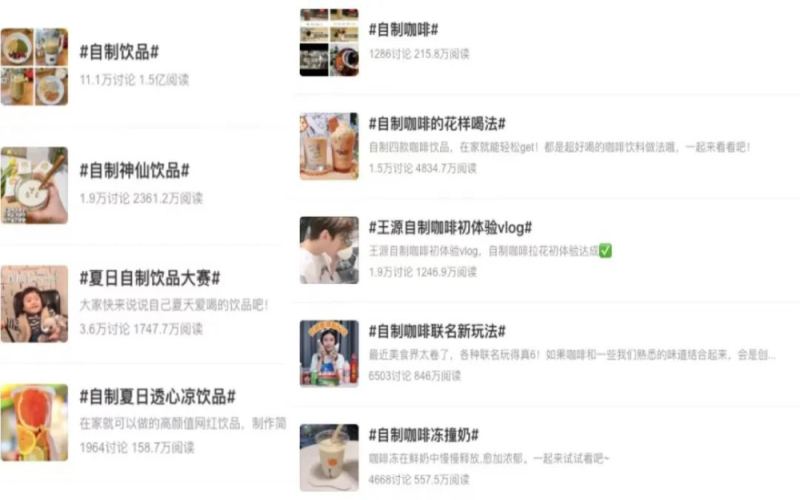
From Homemade Creations by Netizens to Bestsellers in Cafés: How Creative Coffee Rides Social Platforms to Reach the Masses
The internet has enabled the rapid spread of video tutorials and helped a wave of viral coffee creations stand out from "homemade coffee." Creative drinks such as Saturn Coffee, Waterfall Americano, Lava Iced Americano, and 400 Times Coffee have gone viral as netizens spontaneously recreate and share them, and have since been adopted by many cafés. These coffees often do not rely on a high technical threshold, but place particular emphasis on visual presentation—catching the eye first, then winning over the palate. Students born after 2000 have taken homemade coffee to new heights, using coffee liquid and freeze-dried powder paired with convenience store drinks and syrups to achieve low-cost coffee freedom in their dormitories. Against the backdrop of the pandemic and rising prices, the cost-effectiveness of homemade coffee has become more prominent. Although there is still a gap in flavor compared with professional cafés, it also confirms that coffee is accelerating its integration into daily life. [more…]
Can a 6-yuan Americano be profitable? An analysis of low-price strategies and survival tactics for rural cafés
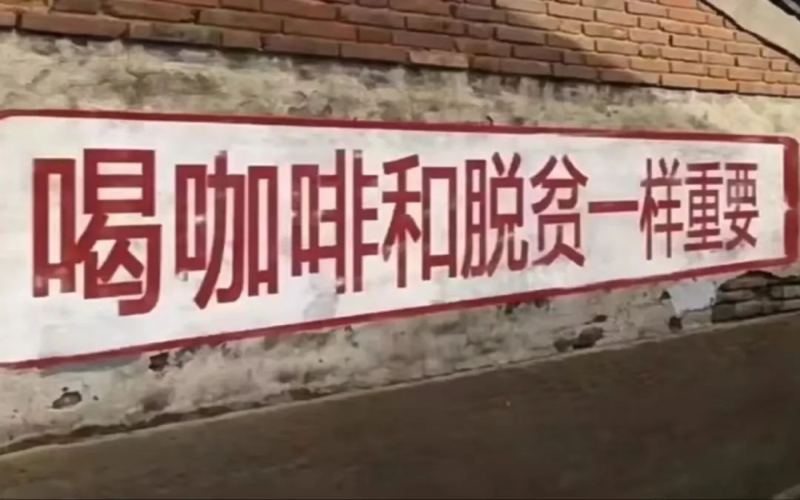
While low-priced coffee has become the norm in first- and second-tier cities, rural cafés are bursting onto the scene with even more astonishing prices. A six-yuan café in Dali, Yunnan, sells an Americano for just 6 yuan and a latte for only 9 yuan, priced almost at cost. How on earth does such a price point survive? Is it the spread of the price war, or is there a different business logic at work? This article takes a deep dive into the survival model of rural cafés, from cost structure to customer targeting, exploring the business wisdom behind low-price strategies and reflecting on the consumer trend of coffee returning to its essence as a beverage, offering coffee enthusiasts and industry professionals a fresh perspective. [more…]

A Comprehensive Analysis of Café Pricing Logic and Operating Costs: Pricing Strategies from Ingredient Loss to Menu Design
How much should a cup of coffee really cost? Why are prices at independent cafés generally higher than those at chain brands? This article systematically sorts out the inner logic of coffee pricing from three dimensions: café positioning, menu design, and raw material cost control. It breaks down in detail the method for calculating the original price ratio, analyzes the cost ranges of espresso beans and milk, and uses a double shot as an example to estimate the raw material cost per cup. At the same time, it offers café operators practical advice on menu planning and material procurement, helping readers understand the real considerations behind independent cafés' pricing. [more…]

Contrast Aesthetics or Operational Error? Analyzing the Making Logic and Flavor Balance of Dirty Coffee
Dirty Coffee, with its striking layers of espresso and cold milk, creates a strong contrast in both visuals and taste, making it a popular item in cafés. Some love the soothing scene of it sinking down, while others are full of curiosity about its "dirty" feel. This article starts with espresso bean selection, milk characteristics, and differences in temperature and density to break down the key points of making a proper Dirty, and explains how to shorten the extraction distance and avoid disrupting the layers, so that bitterness and sweetness, heat and ice form a clear contrast in the cup. [more…]
Shanghai Sees Nearly a Thousand New Cafés a Year: The Clash of Hot and Cold Behind 7,857 Total Cafés Leading the World
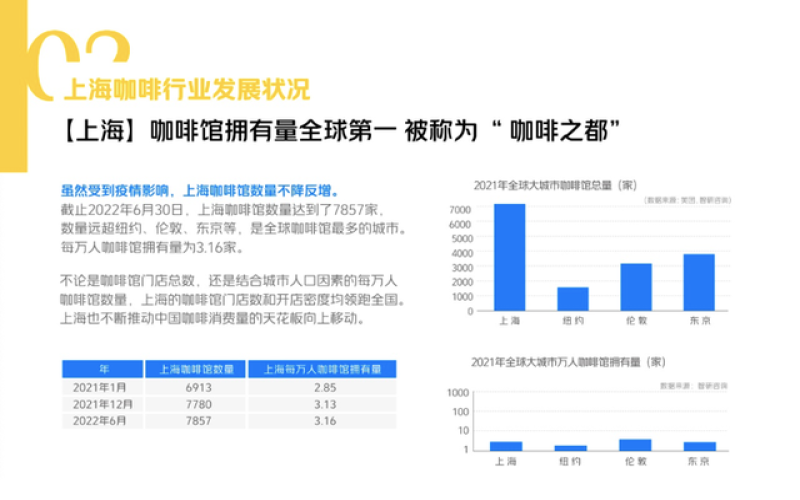
Shanghai, a city deeply steeped in coffee culture, is refreshing the global record for the number of coffee shops at an astonishing pace. As of June 2022, the city had 7,857 coffee shops, not only firmly ranking first in China in terms of quantity, but also surpassing international metropolises such as New York, London, and Tokyo to become the city with the most coffee shops in the world. Yet behind this numerical growth lie both the rapid expansion of specialty coffee brands fueled by capital and the reality of small shops struggling to survive under the impact of the pandemic. From 867 new additions in 2021, to a slowdown in the pace of openings in the first half of 2022, and then to the industry regaining momentum in the second half, what kind of resilience and challenges has Shanghai's coffee market shown? This article will combine the latest data and industry cases to analyze the driving forces and hidden concerns behind the counter-trend growth of Shanghai's coffee industry. [more…]
A Complete Guide to Common Espresso Drinks in Cafés: From Espresso Base to Milk Coffee and Specialty Drinks
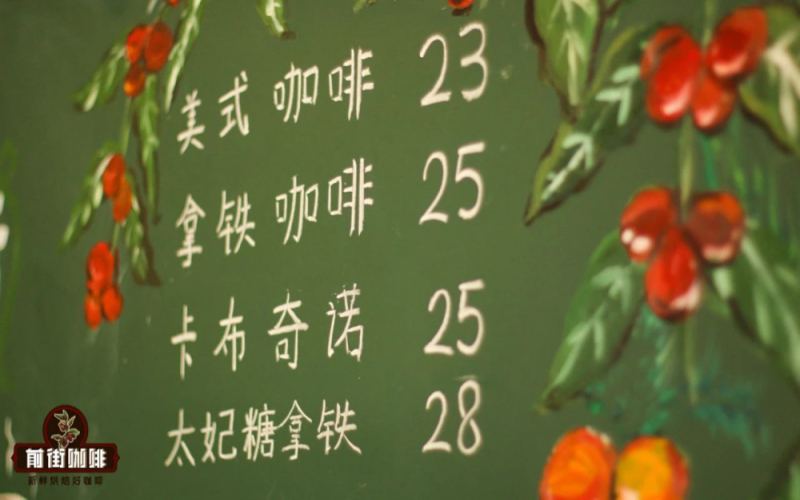
Walk into any coffee shop, and espresso-based drinks are almost always the mainstay of the menu. Front Street Coffee locations offer classics like Americano, Latte, Cappuccino, and Flat White, and many shops also blend in various extras to create inventive drinks. This article systematically sorts out the most common types of espresso drinks found in coffee shops: first get to know the trio of espresso "brothers"—Espresso, Ristretto, and Lungo—along with Doppio; then learn about black coffees such as Americano and Long Black; next, take stock of milk coffee members like Latte, Cappuccino, Macchiato, Flat White, and Piccolo; and finally introduce espresso specialties such as Mocha, Marocchino, Affogato, Con Panna, Corretto, and shaken iced coffee. Beginners can use this to quickly build a complete framework of understanding for espresso drinks. [more…]
The Cross-Boundary Fusion of Coffee and Alcohol: How All-Day Operation Models Are Reshaping Café Consumption Scenarios
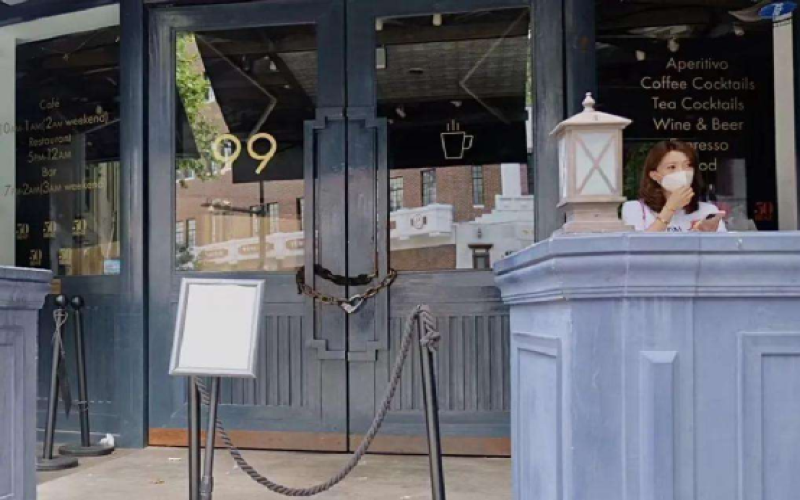
As young professionals crave a lifestyle that keeps them energized by day and relaxed by night, a new breed of customers who raise a glass to drink has quietly appeared in coffee shops. After Shanghai's restaurant industry was hit hard by the pandemic, Xiaohongshu launched a "revival plan," bringing bartenders from dozens of bars into coffee shops and launching coffee specials with alcohol, making "drinking at coffee shops" a new dine-in trend. From the "wine plus coffee" era of Teresa Teng to brands like Sober Company exploring the bistro-coffee shop model today, the boundary between coffee and alcohol is dissolving. This kind of cross-industry operation not only injects freshness into brands, but also strengthens consumer loyalty and promotes conversion between coffee drinkers and alcohol drinkers. However, the sustainability behind the internet-famous check-in economy is also worth pondering. This article will walk you through the business logic and industry trends behind this phenomenon, while retaining Front Street Coffee's professional recommendations. [more…]
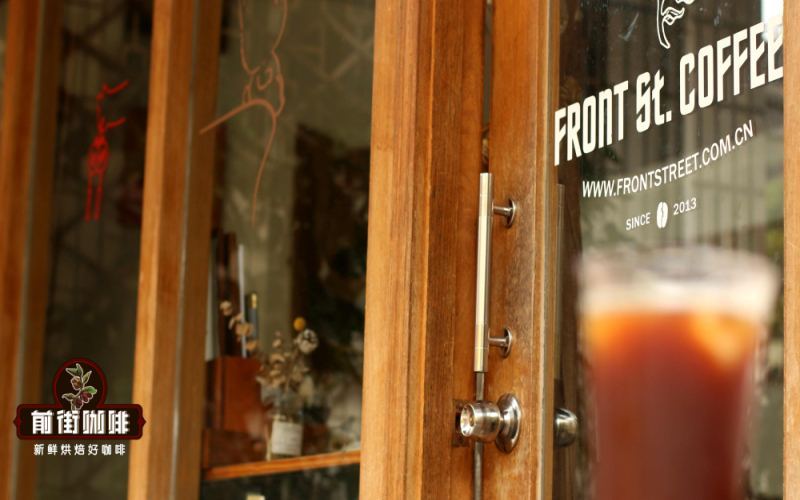
A Complete Guide to Café Espresso Menus: From Espresso Bases to Milk Coffee Specialties
In the heat of midsummer, Front Street doesn't want to talk about origins or brewing theory, so we might as well take everyone through a systematic introduction to the old-school family of espresso drinks. From the extraction differences among the three brothers Espresso, Ristretto, and Lungo, to the rich variations of Doppio; from the water-volume comparison between Americano and Long Black, to the milk-coffee lineage of Latte, Cappuccino, Flat White, and Piccolo; and then to Italian specialty drinks such as Mocha, Marocchino, Affogato, Con Panna, and Caffè Corretto, this article will break down one by one the recipe logic, taste characteristics, and serving points of each beverage, helping you sort out those names on café menus that you half understand but not quite. [more…]